The Evolution of the Modern Yacht Tender
The yacht tender has quietly become one of the most consequential decisions a boat owner makes, and the market in 2026 is finally catching up to that reality.
What was once little more than a glorified rowing boat has transformed into a multi-functional vessel expected to ferry passengers in comfort, handle open water with confidence, and reflect the aesthetic standards of the mothership it serves. Knowing how to choose a yacht tender today means weighing performance, materials, and practicality in equal measure – not simply finding the biggest thing that fits on your davits.
The modern tender is no longer a convenience; it is an extension of the onboard experience.
This shift is visible in the numbers. Highfield Boats holds a 31.7% market share in the U.S. inflatable boat segment as of 2026, a figure that reflects growing owner appetite for purpose-built, durable tenders over entry-level inflatables. Owners are increasingly choosing vessels that balance commercial-grade construction with luxury-market finishes – a combination that fibreglass and basic PVC hulls struggle to deliver consistently.
The aluminium hull has emerged as the benchmark that bridges this gap. Corrosion-resistant, lightweight, and structurally robust, it meets the demands of both coastal day trips and demanding offshore runs. Manufacturers are even extending this thinking into propulsion, with innovations like fully electric tender options redefining what a tender can do. Before exploring those possibilities, however, the practical question of sizing and storage – and how aluminium’s weight advantage changes the equation entirely – deserves close attention.
Sizing and Storage: Navigating Davit and Deck Constraints
Choosing the best yacht tender 2026 has to offer, means nothing if it cannot physically fit – or be safely lifted – within your primary vessel’s real-world constraints.
Most owners make the mistake of referencing only the manufacturer’s rated lifting capacity, yet that figure rarely accounts for dynamic loads during rolling seas. In practice, a davit rated at 300 kg should be treated with a working safety margin of 20-30%, meaning your tender, outboard, fuel, and any stowed gear combined should target closer to 210-240 kg maximum. According to Yachting Magazine, tender weight is one of the most frequently overlooked factors during the selection process – and one of the most consequential for vessel trim and fuel burn.
Weight directly affects efficiency: every additional 50 kg of tender mass mounted on davits shifts a vessel’s centre of gravity aft, increasing drag and elevating fuel consumption on passage.
When assessing storage options, work through these physical constraints systematically:
- Davit clearance: Measure the maximum hook height and outreach arm length, not just the rated load
- Deck chocks: Confirm the beam and keel width of the tender against the chock footprint
- Garage openings: Record the internal height, width, and depth – account for the outboard when tilted
- Longitudinal trim: Calculate where tender weight sits relative to your vessel’s waterline
This is precisely where aluminium’s weight advantage becomes decisive. Aluminium hulls run approximately 10–20% lighter than single-skin fiberglass equivalents, meaning that same davit capacity can support a meaningfully larger tender – more seating, greater range, superior load carrying – without exceeding the crane’s safe working load. Before committing to any model, reviewing full specification sheets alongside your davit’s rated capacity is an essential step.
The choice of hull material, then, is not merely about durability in the abstract. That question of long-term durability brings the conversation squarely to what is happening beneath the waterline.
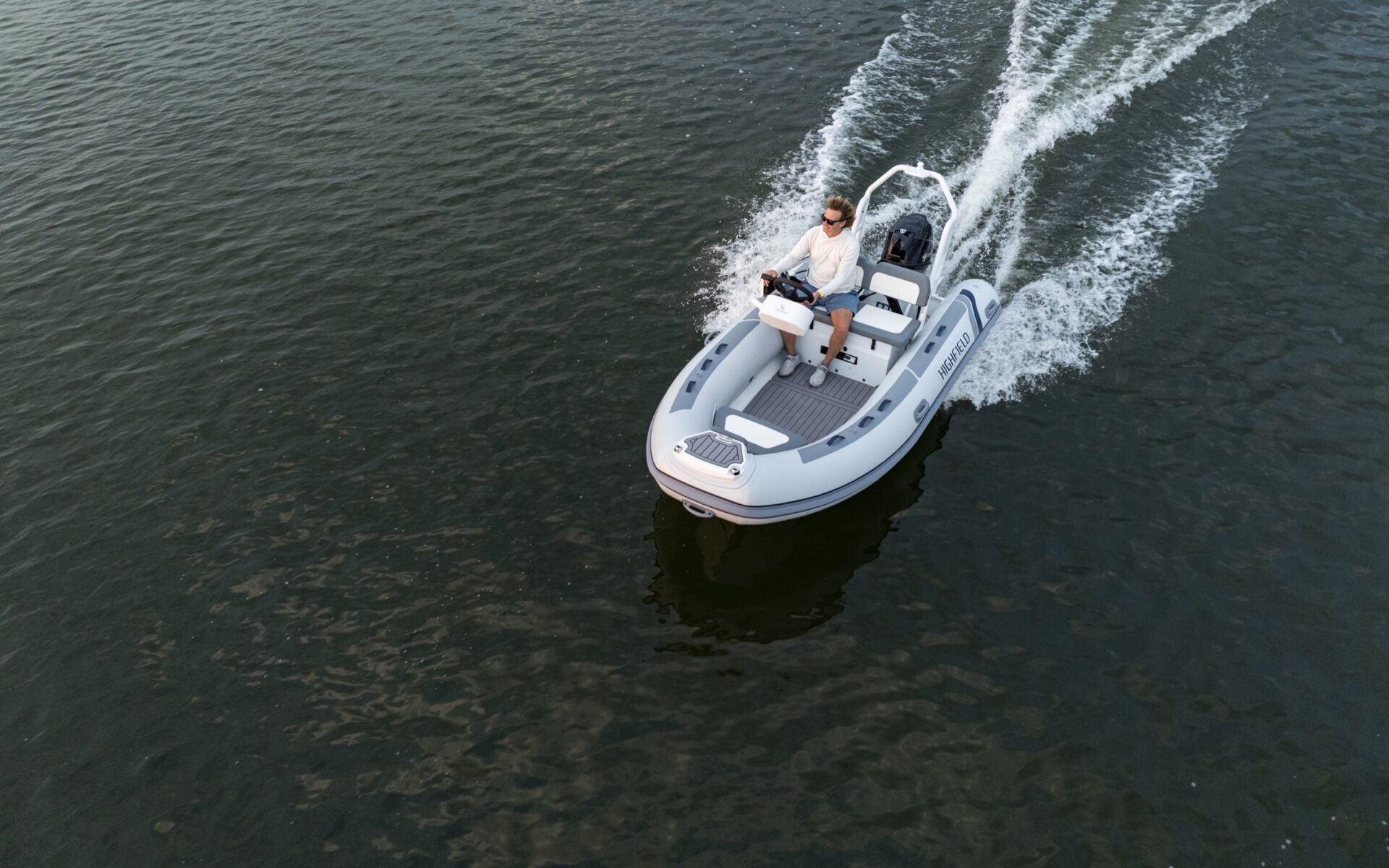
Why Hull Material Dictates Operational Lifespan
The hull material you choose for your tender isn’t merely a build decision – it’s a commitment to how long and how hard your tender will work for you.
Fiberglass degrades from the moment it meets the water. Osmosis – the gradual absorption of water through the gel coat – creates blistering beneath the surface that weakens structural integrity over time. UV exposure compounds this, chalking the surface and making fibreglass progressively brittle. In practice, tender owners often face expensive osmotic blister repairs within a decade, particularly in warmer cruising waters.
Aluminium responds to impact very differently. Where fibreglass cracks or shatters under the stress of a rocky beach landing, aluminium (if affected at all) dents and flexes – damage that is cosmetic rather than structural. That distinction matters enormously when you’re operating in exposed anchorages or surf-washed shores where a tender takes daily punishment.
“Aluminum hulls stand out for their unmatched strength and adaptability in severe marine environments… they are the preferred choice in high-impact scenarios.” – Ocean Craft Marine
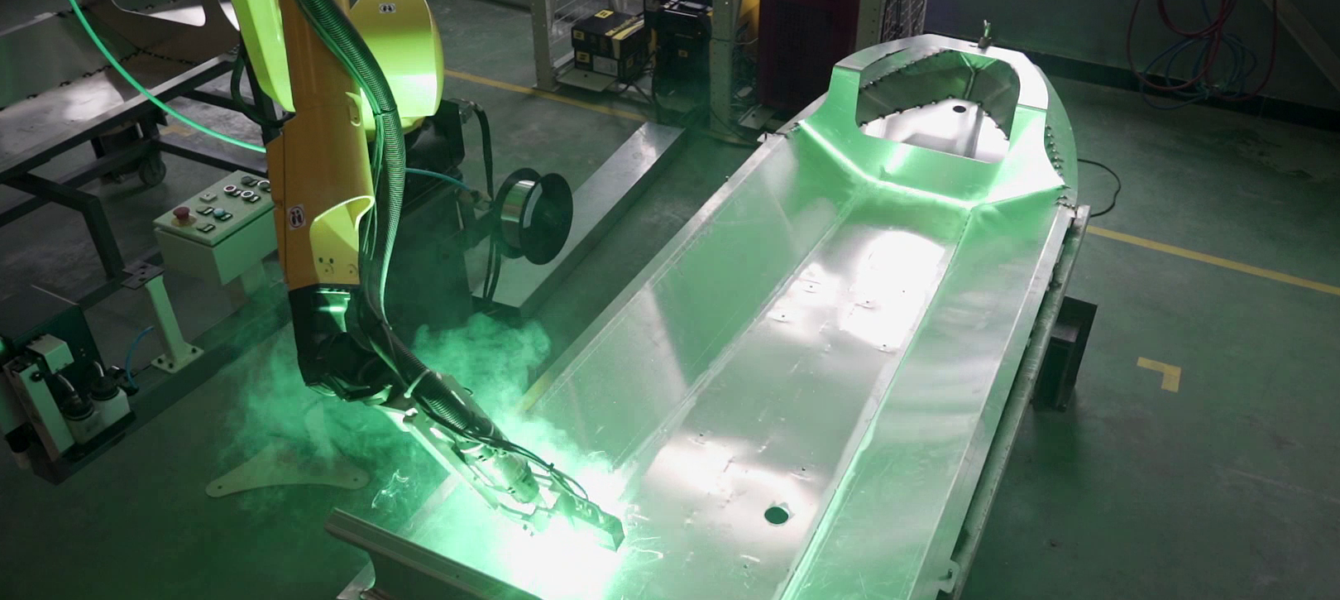
The key specification to look for is 5083 marine-grade aluminium – a high-tensile alloy engineered specifically for saltwater immersion. According to Adventure Marine USA, this grade can extend a tender’s operational lifespan to 30 years or more, a figure fibreglass simply cannot match without significant ongoing maintenance. Reviewing the manufacturer’s care guidance confirms that routine maintenance requirements for aluminium are genuinely minimal – periodic rinsing and basic hardware checks rather than osmosis treatments or gel coat restoration.
That long-term durability argument becomes even more compelling when you consider what’s changing about tender propulsion – a shift that makes hull weight and structural efficiency more critical than ever.
The Electric Shift: Choosing a Tender for Next-Gen Propulsion
Electric outboards are reshaping what a yacht tender can be – and hull choice has never mattered more than when battery range is on the line.
Weight is the single greatest enemy of range in electric maritime propulsion. Unlike petrol outboards, which compensate for a heavy hull by simply burning more fuel, electric motors draw from a finite battery bank with no quick top-up option at sea. Every additional kilogram the motor must push reduces usable range, often significantly. As Boats.com notes, lightweight hulls improve acceleration and efficiency – a critical factor when you’re managing a limited charge. This makes hull weight not just a performance consideration, but a practical one.
Planing threshold matters enormously with electric torque curves. Many electric outboards deliver strong low-end torque but taper off at higher RPMs compared to petrol equivalents. A heavier fibreglass or wooden hull may struggle to get onto the plane at all, forcing the motor to labour in displacement mode and drain the battery far faster. An aluminium-hulled RIB, by contrast, reaches planing speed with less effort – extending effective range and reducing heat stress on the motor. Any sensible yacht tender sizing guide will account for this dynamic when recommending electric pairings.
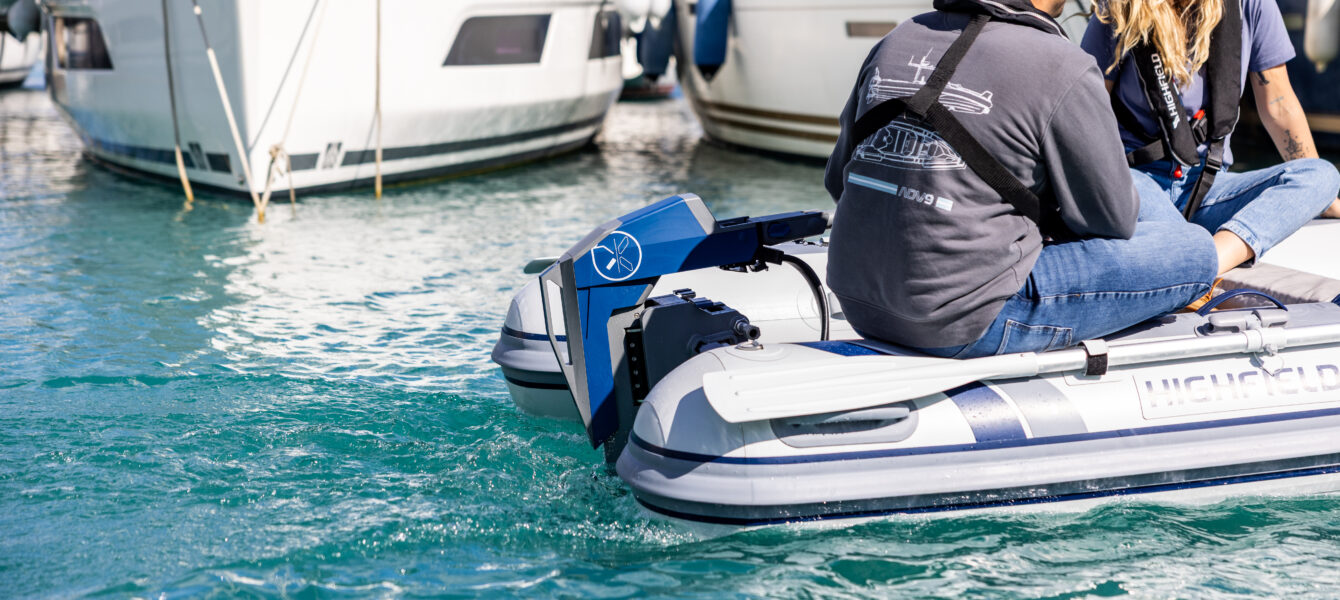
Sailboat owners have particular reason to prioritise this synergy. Silent operation alongside a sailing yacht isn’t a luxury preference – it’s often a genuine operational requirement, particularly at anchor in quiet anchorages or nature reserves. The combination of a lightweight aluminium hull and a modern electric outboard delivers near-silent running without sacrificing the structural rigidity needed for choppy conditions.
As the market continues to evolve, understanding how hull material and motor technology interact becomes foundational – which leads naturally to the broader question of what role your tender actually needs to fill day to day.
Defining Your Primary Use: From Tenders to Explorers
Not every yacht tender needs to do the same job – and matching your hull category to your actual use case is the fastest way to avoid a costly mismatch.
Ultralite hulls are built for weight-sensitive applications where every kilogram matters. Small sailing yachts, in particular, face strict constraints around davit load ratings, and an overly heavy tender can compromise both stability and handling. As noted in the owner’s manual guidance on davit loads, a vessel’s stability can be reduced when lifting heavy loads via davit or boom – making a lightweight aluminium hull a logical, safety-conscious choice. Yacht tender storage options are also far simpler when the boat itself weighs less; lighter hulls are easier to hoist, stow, and deploy single-handedly.
Flat deck tenders like the Highfield Classic range, remain a lightweight option, whilst giving you a few more luxuries than the Ultralite V-deck tender. Bow lockers & consoles also become an option in this style of tender, giving you the perfect blend of workhorse and family boat.
Performance RIBs, such as the Highfield Sport range, serve a different master entirely. These are the hulls chosen by owners who use their tender for water sports, extended shore transfers across open water, or simply want more speed and responsiveness. According to Sail Magazine, performance-oriented tenders demand a hull that stays rigid under power and handles chop without pounding the crew into submission – qualities that aluminium delivers consistently.
Heavy-duty ‘Patrol’ style hulls are designed for owners with a #DARETOEXPLORE mindset – those anchoring in remote bays, landing on rocky shores, or operating in conditions where fiberglass would crack and an inflatable would puncture. Aluminium is immune to the brittleness and UV degradation that affects fiberglass over time, making it the natural material for rugged exploration work. Where the landing environment is unpredictable, the hull must be uncompromising.
Identifying which category fits your cruising style is the essential first step – and as the next section draws together, the right choice becomes clearer once you weigh all the practical factors side by side.
The Bottom Line: What You Need to Know
Choosing between an aluminum hull vs fiberglass RIB ultimately comes down to four practical priorities that every serious yacht owner should weigh before the 2026 season.
- Weight: Aluminium hulls deliver a 10–20% weight reduction over comparable fiberglass designs, easing towing loads and improving fuel efficiency on your main vessel.
- Environment: Match hull material to your landing terrain. Aluminium withstands repeated contact with rocky shorelines and abrasive hard standings where fiberglass would crack or delaminate.
- Propulsion readiness: Select a hull geometry and structural specification compatible with modern electric outboards. Purpose-built platforms – such as Highfield’s expanding electric tender range – demonstrate that aluminium construction integrates cleanly with low-vibration, battery-powered systems.
- Longevity: Marine-grade aluminium alloys are independently verified to support a 30-year structural lifespan, outperforming fiberglass in both corrosion resistance and long-term structural integrity.
The right tender is the one engineered for where you actually go, not simply the lightest or biggest option on the forecourt. According to Yachting Magazine, matching tender to use case is consistently the single factor separating satisfied owners from those who upgrade within two seasons!
In practice, owners who align all four criteria – weight, environment, propulsion type, and material lifespan – consistently report higher satisfaction and lower long-term costs. With those fundamentals clear, the next step is making a confident final selection for the season ahead.
Making the Final Selection for the 2026 Season
Choosing the right aluminium-hulled RIB for your yacht tender comes down to four essentials: weight, material, propulsion, and purpose – and getting all four aligned before the 2026 season begins will save both money and frustration.
As you finalise your decision, long-term support deserves serious weight. A global dealer network is not a luxury; it is a practical safeguard. Whether you are anchored in the Mediterranean, cruising the Caribbean, or exploring Scandinavia, accessible after-sales service determines whether a minor issue becomes a minor inconvenience or a season-ending delay. Highfield Boats has delivered over 60,000 boats worldwide, backed by an extensive international dealer network in around 50 countries – a scale that signals genuine market reliability and the confidence of tens of thousands of owners who made the same choice you are considering.
From a practical standpoint, your final checklist should align with everything covered throughout this article.
- Consider the weight your mothership can handle
- Consider whether aluminium is the hull material for your durability & maintenance requirements
- Select propulsion – include considering electric outboard options if marina noise restrictions or sustainability matter to you
- Revisit your primary purpose, whether that is passenger transfer, watersports, or extended exploration.
The aluminium RIB market has matured considerably, and the breadth of available configurations means there is no reason to compromise. Explore the full range of aluminium RIB options available and find the hull that genuinely fits your cruising life – not just for one season, but for many to come.